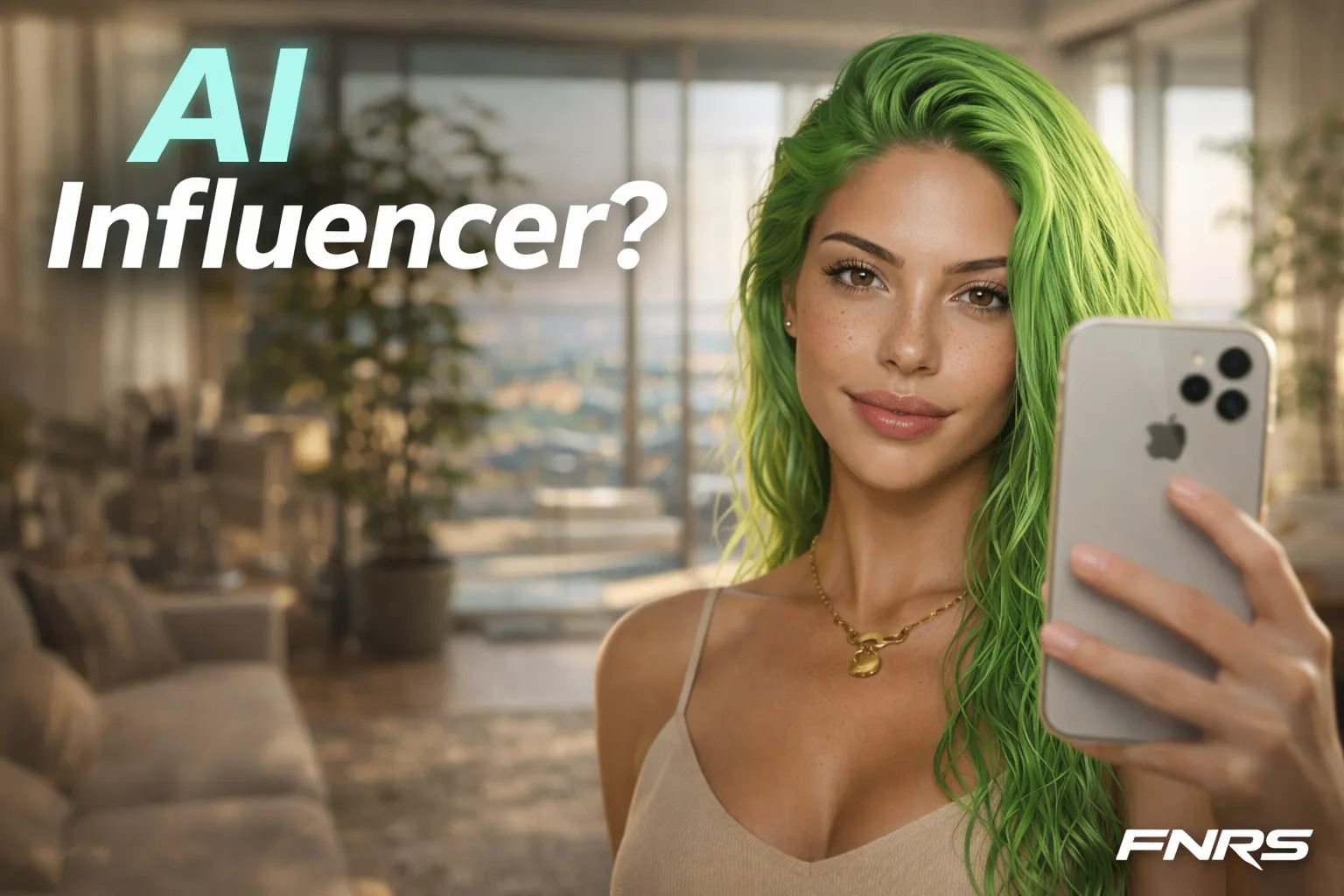
Scroll through Instagram or TikTok right now and there's a good chance you'll interact with someone who doesn't exist. Not a catfish — an AI influencer: a fully digital personality created with artificial intelligence, designed to look, post, and engage like a real person.
The concept isn't new. Lil Miquela launched back in 2016 and has since amassed millions of followers, landed brand deals with Prada and Calvin Klein, and generated more engagement than many human creators. But what is new is accessibility. In 2026, you don't need a Hollywood VFX team to create a virtual influencer. You need the right platform.
The Basics: What Makes an AI Influencer
An AI influencer is a virtual character — generated entirely by artificial intelligence — that maintains a consistent identity across all content. That means the same face, the same body proportions, the same aesthetic in every photo and video. Think of it as a digital persona with its own style, personality, and visual narrative.
The key components that separate an AI influencer from a random AI-generated image are:
- Visual DNA — A persistent set of physical traits (face structure, body type, skin tone, hair color and style) that remains identical across all generated images. This is the foundation of believability.
- Content consistency — Regular posts across different scenarios — travel, fitness, lifestyle, fashion — that tell an ongoing story and build a following over time.
- Personal environments — Consistent spaces like their bedroom, kitchen, or gym that create a sense of a real life being lived. When your creator makes morning coffee, it should always be in the same kitchen.
- Personality and voice — A defined tone and style that carries through captions, stories, and interactions with the audience.
Why Are AI Influencers Exploding in 2026?
Three major shifts are fueling the growth of virtual creators this year.
Image generation quality has crossed the uncanny valley. Models like Seedream 4.5 produce photorealistic images that are genuinely indistinguishable from real photographs. The technology gap that once made AI content look artificial has effectively closed. We're past the "AI hands" era.
Creator economics favor consistency at scale. Human creators burn out — they get sick, they age, they have off days. AI creators produce studio-quality content every single time, on demand, at a fraction of the cost of traditional photoshoots. One person can manage multiple AI creators simultaneously, each with their own brand and audience.
Brands are paying attention. Virtual influencers consistently deliver higher engagement rates than many human creators, and they come with zero risk of controversy. No scandals, no scheduling conflicts, no last-minute cancellations. For brands, that's an incredibly attractive proposition.
How Do You Create One?
Traditionally, creating a virtual influencer required a team of 3D artists, motion capture specialists, and post-production experts. The cost could easily reach six figures before a single post went live.
Today, platforms like Fanerse have democratized the entire process. You can create an AI influencer with unique visual DNA, generate content across dozens of scenarios, build consistent environments (bedroom, gym, kitchen), and even give them a cloned voice — all without writing a single prompt or touching any design software.
The typical workflow looks like this: upload a reference photo to establish your creator's look, configure their body type and style preferences, set up their personal environments through the Home Wizard, and start generating content. The AI handles all the technical complexity — maintaining face consistency, matching lighting across scenes, and producing photorealistic output.
How Do AI Influencers Make Money?
The monetization paths for AI influencers mirror those of human creators, with some unique advantages:
- Content sales — Selling exclusive photo and video packs directly to fans through platforms, link-based sales, or subscription services.
- Brand partnerships — Companies pay AI influencers for sponsored content, product placement, and campaign appearances.
- Marketplace sales — Selling the AI creator itself (their DNA, content library, and environments) to other entrepreneurs who want to continue building the brand.
- Subscription platforms — Posting exclusive content on platforms like Fanvue, Patreon, or custom storefronts where fans pay monthly for access.
The key advantage? Scalability. A single person can run 5, 10, or even 20 AI creators simultaneously, each serving a different niche and audience. Try doing that with human photography.
Is It Ethical?
The ethics conversation around AI influencers is nuanced and evolving. The general consensus in the industry is that transparency matters — audiences should be able to know they're interacting with AI-generated content. Many platforms and creators now include disclosures in their bios or content descriptions.
What's clear is that audiences are increasingly comfortable with AI content when it provides genuine value — entertainment, inspiration, or aesthetic pleasure. The engagement data supports this: well-crafted AI content performs at parity with or above traditional content across most metrics.
Getting Started
If the concept of AI influencers interests you — whether as a business opportunity, creative outlet, or just curiosity — the barrier to entry has never been lower. You can create your first AI creator for free on Fanerse and see the quality of output firsthand before committing any resources.
The virtual influencer space is still in its early innings. The creators and entrepreneurs who establish themselves now will have a significant first-mover advantage as the market matures over the next few years.